
A mirror photo booth is a full-length mirror with a camera and a touchscreen behind the glass. An open-air photo booth is a camera and studio lighting on a stand, facing a backdrop. Both are open formats with no curtain, and both print and share. The difference is in the lighting, the group size, the look of the photos and how the booth sits in the room. Here's how they compare, and which one fits a wedding, a company party or a brand event.
Mirror booth vs open-air at a glance
| Mirror photo booth | Open-air photo booth | |
|---|---|---|
| What it is | A full-length mirror with a camera and touchscreen behind the glass | A camera and studio light on a stand, facing a backdrop |
| The show | Animations and prompts on the mirror itself | The backdrop and the set are the show |
| Lighting | A ring or strip light built into the frame | Studio lighting shaped for portraits |
| Group size | Two to four in front of the glass | Two to ten in frame, depending on the backdrop |
| Backdrop | Optional; often the room behind the guest | Central: sequin, floral, custom-printed or a branded set |
| Footprint | Compact, but the mirror is tall and heavy | Flexible, scales with the backdrop |
| Prints and sharing | Prints and digital sharing | Prints in seconds and digital sharing, plus a live gallery |
How a mirror photo booth works
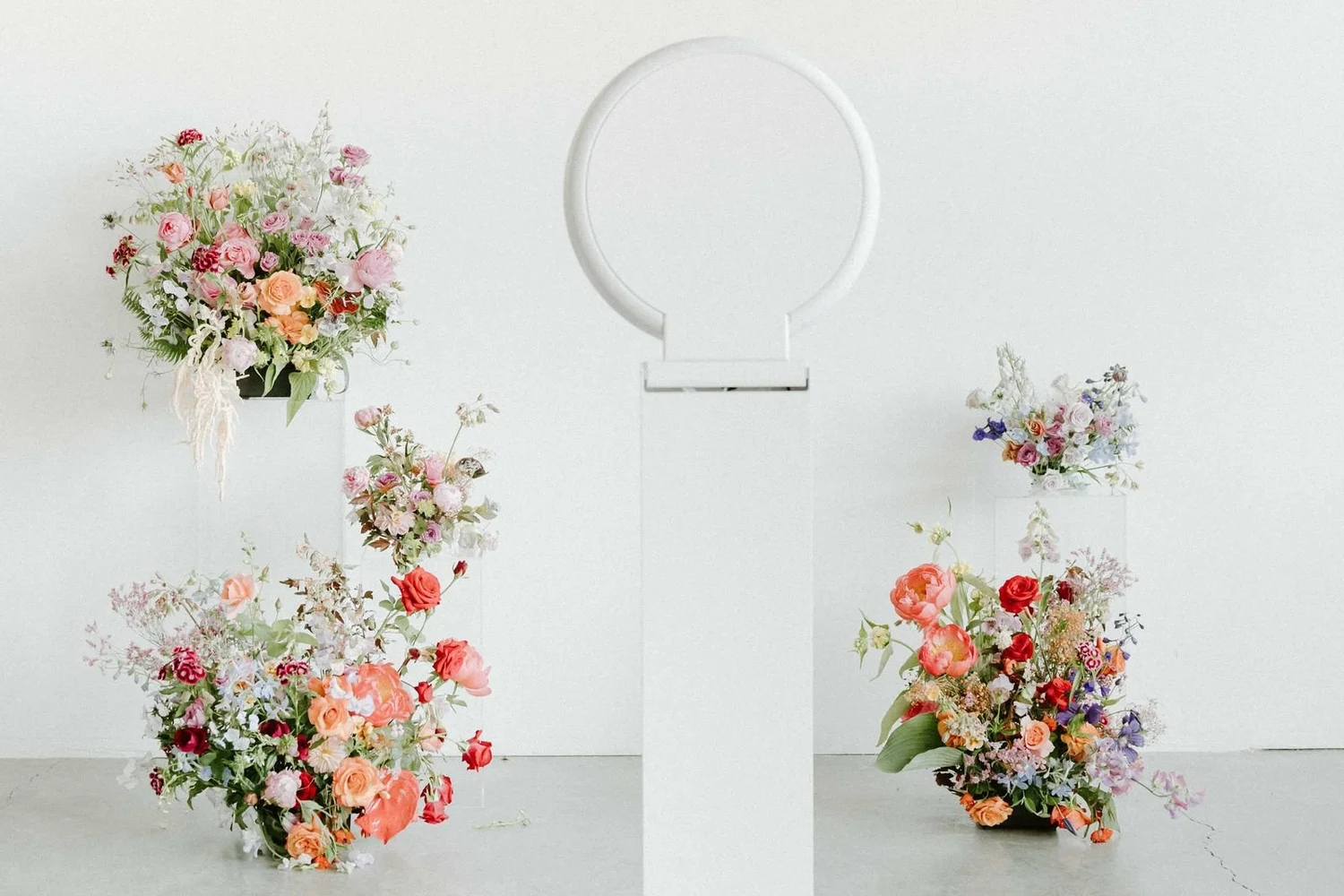
Also called a magic mirror or a selfie mirror, the mirror booth is an interactive touchscreen in a mirror frame. Guests stand in front of it, animated prompts play on the glass, they see themselves as they pose, tap to take the photo and can sign the screen or add stamps before it prints. The appeal is the show on the mirror and the fact that the guest sees exactly what the camera sees.
The trade-offs follow from the format. The light comes from the frame, so the look is flat and bright, like a selfie. Groups are limited to who fits in front of the glass. And the unit is tall and heavy, which matters for upstairs rooms and tight load-ins.
How an open-air photo booth works
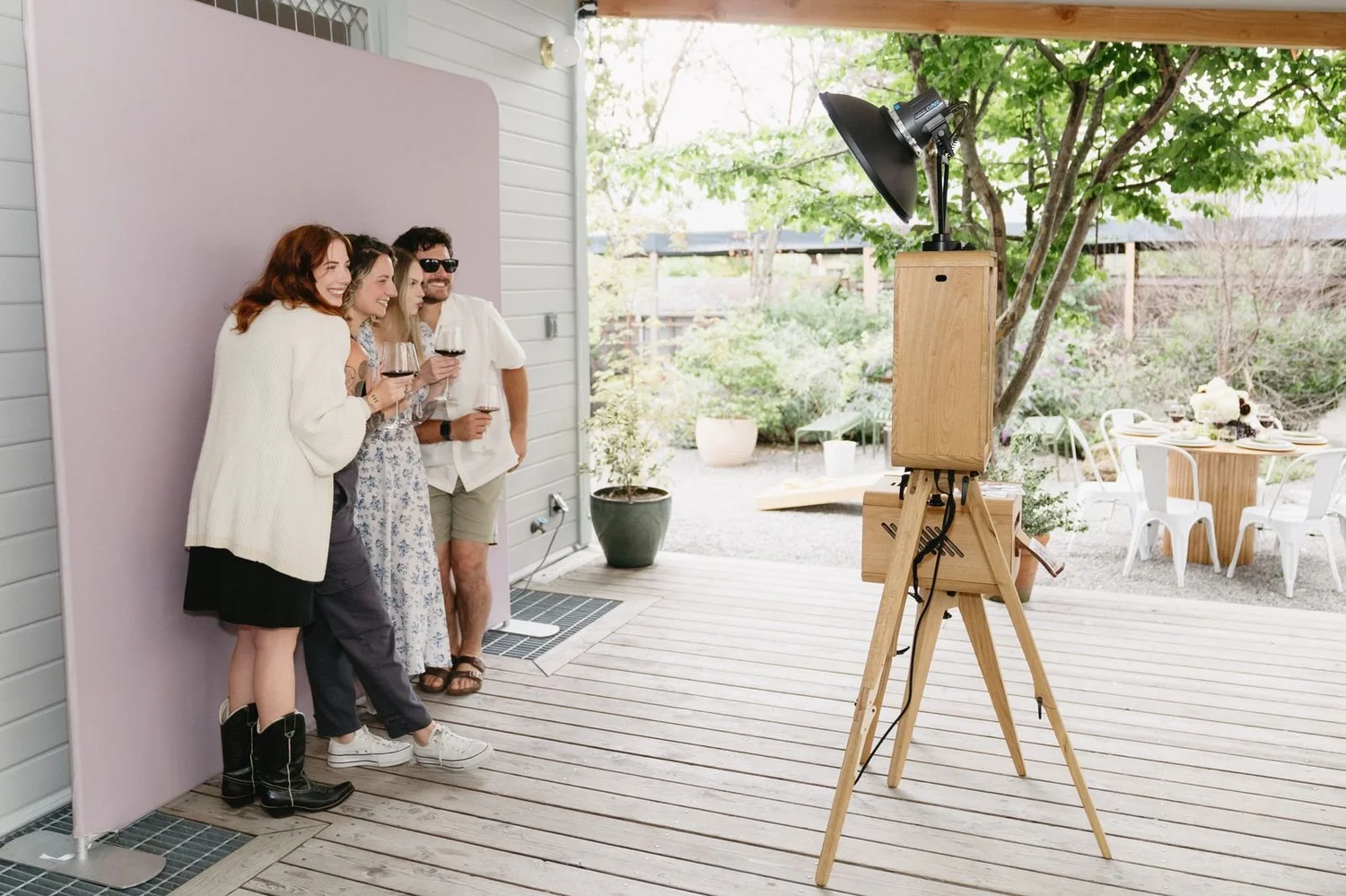
An open-air photo booth puts a camera and studio lighting on a stand, with a touchscreen for the countdown and the sharing, facing a backdrop a few feet away. Guests step into the frame, the host guides the shot, the print comes out in seconds, and the photo goes to their phone. Because the set is open, the backdrop can be anything: a sequin wall, a floral install, a custom-printed design or a branded build for an activation.
The strength is the photo itself. Studio lighting is shaped for portraits, so skin looks good and the group is evenly lit, and the frame fits a whole wedding party. Our guide to open-air vs enclosed compares it with the curtain booth.
The photos: lighting and the look
This is where the two formats part ways. A mirror booth lights the guest from the frame, straight on, which reads as a bright, flat selfie. An open-air booth uses a studio light placed and shaped for portraits, so the photo has depth and the print looks like it came from a photographer. For a black-tie wedding, a gala or a brand event where the photo will be posted with the logo on it, that difference shows.
The open-air format also carries the specialty looks: the glam booth with its beauty-lit, soft-skin finish, the AI photo booth that renders a second version of the portrait, and custom trading cards printed from the same session.
Space, setup and the room
- Mirror booth: a small footprint on the floor, but the unit is tall and heavy and usually needs a wall behind the guest. Stairs and long carries are the planning question.
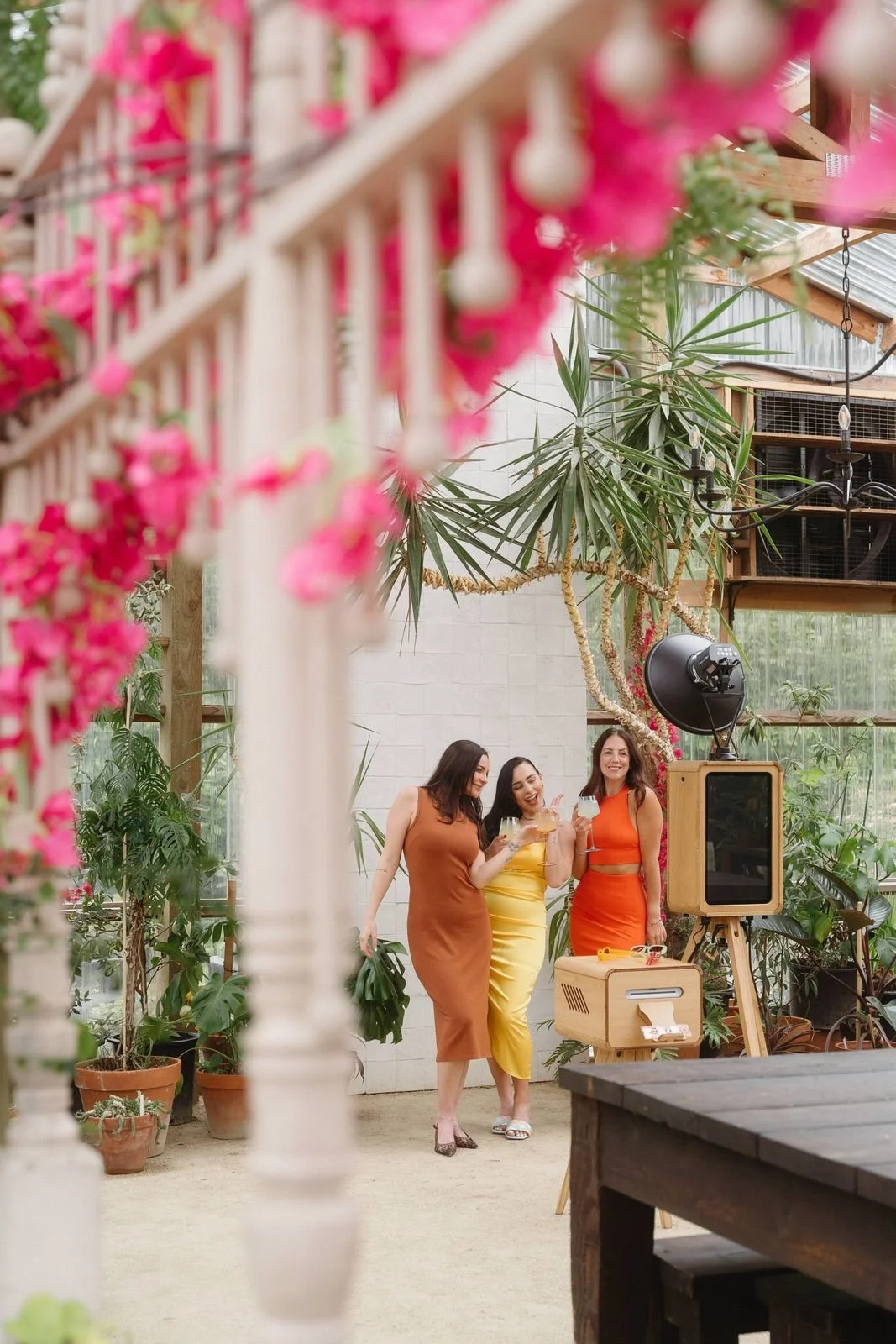
- Open-air booth: the footprint scales with the backdrop, from a compact corner setup to a full branded set. It needs a level spot, power and enough depth between the camera and the backdrop for a group.
- Outdoors: both need shade and shelter for the screen and the printer. An open-air booth is the easier one to place on a patio or a lawn.
Which one fits your event
- Weddings: the open-air booth fits the whole wedding party in one frame and the backdrop matches the florals. See the open-air wedding photo booth and our wedding photo booth ideas.
- Company parties and holiday events: open-air for the team photos, with the logo on the print and a branded screen. See corporate photo booths.
- Brand activations: the open-air set can be wrapped and built to the campaign, and the photos look like campaign content. See brand activation photo booths.
- A small party in a tight room: if the room can't fit a backdrop and the guest list is small, a compact mirror unit from a provider who offers one can work. If you want the privacy of a curtain instead, the vintage enclosed booth is the classic answer.
We run open-air and enclosed booths across Los Angeles and Orange County. If you're still comparing, our guide to the types of photo booths covers every format, including mirror, roaming and 360.
Mirror booth vs open-air questions
What is a mirror photo booth?
A full-length mirror with a camera and a touchscreen behind the glass. Guests pose in front of it, animated prompts play on the mirror, and the photo prints and shares. It is also called a magic mirror or a selfie mirror.
What is the difference between a mirror booth and an open-air booth?
A mirror booth lights the guest from the frame and fits a few people in front of the glass. An open-air booth uses studio lighting and a backdrop, fits larger groups, and the photos look like portraits.
Which takes better photos, a mirror booth or an open-air booth?
An open-air booth, in most rooms. Studio lighting shaped for portraits gives the photo depth, while a mirror booth's frame light reads as a bright, flat selfie.
Which is better for a wedding?
An open-air booth fits the whole wedding party in one frame and the backdrop can match the florals. Couples who want privacy choose the enclosed vintage booth instead.
Do you offer mirror photo booths?
We run open-air and enclosed vintage photo booths, plus glam, AI, trading card and keychain experiences, across Los Angeles and Orange County. Send the event details and we'll recommend the booth that fits.
Not sure which booth fits your room?
Send the date, the venue and the guest count, and we'll recommend the format and send pricing.
Get Pricing